
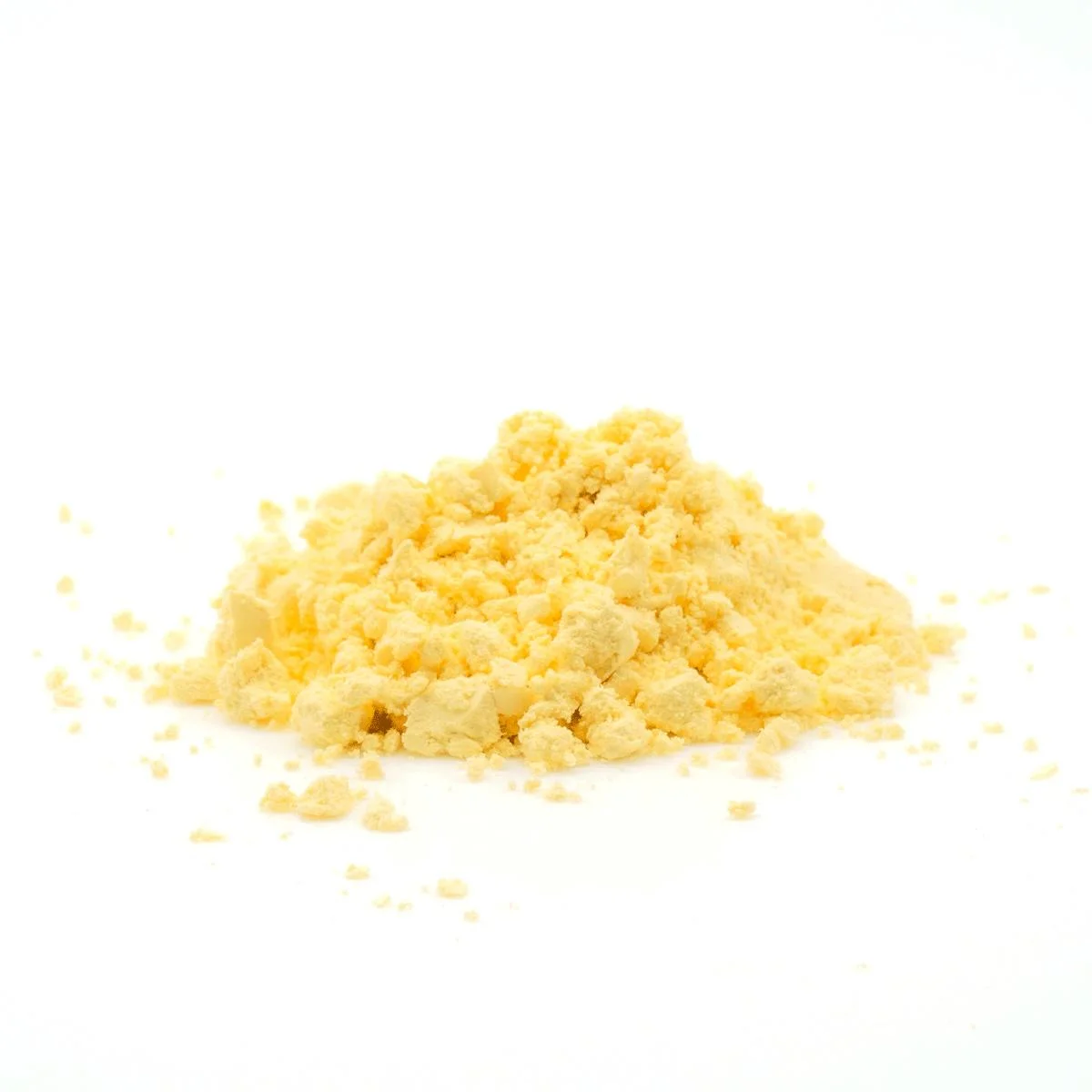
How to Reconstitute Whole Egg Powder
Whole egg powder is produced by spray-drying pasteurized liquid whole eggs, preserving the balanced functional profile of fresh eggs — including emulsification, aeration, coagulation, and color. Once rehydrated, it performs as a one-to-one replacement for fresh liquid whole egg in commercial food production.
Standard Reconstitution Ratio (1 : 2.57 by weight)
|
Ingredient |
Weight |
Percentage |
|---|---|---|
|
Whole egg powder |
280 g |
28% |
|
Water (≤ 40°C) |
720 g |
72% |
|
Yield |
1 kg |
liquid whole egg (≈ 20 medium eggs) |
Directions:
-
Measure cool or lukewarm water (below 40°C). Higher temperatures can prematurely coagulate the proteins and impair baking and emulsifying performance.
-
Sprinkle the powder slowly into the water while stirring, or use a wire whisk to ensure the fine particles disperse evenly without forming lumps.
-
Rest the mixture for 20–30 minutes at room temperature, allowing the proteins and lipids to fully hydrate and develop their natural functional properties.
-
Stir or blend briefly before incorporating into your formulation. The reconstituted liquid behaves identically to fresh whole egg in batters, doughs, omelets, custards, and sauces.
Functional Properties of Spray-Dried Egg Yolk Powder
Egg yolk powder is not simply “dehydrated egg” — it is a multifunctional ingredient whose performance in finished products derives from three preserved native properties of fresh yolk:
1. Emulsification (lecithin and lipoprotein content)
Egg yolk contains 9–10% lecithin and a high concentration of lipoproteins (LDL/HDL) that stabilize oil-in-water emulsions. In mayonnaise, salad dressing, hollandaise, and Caesar dressing applications, reconstituted yolk powder delivers the same emulsion stability as fresh yolk when properly rehydrated below 40 °C. This is why rehydration temperature control matters: heat-denatured lipoproteins lose emulsifying performance and produce broken, oil-separating finished products.
2. Color contribution
Natural carotenoids (lutein, zeaxanthin) deliver the golden-yellow color signature essential to fresh pasta, custards, sponge cakes, lemon curd, and ice cream — without synthetic colorants. Color intensity is consistent batch-to-batch through controlled feed-stock management.
3. Richness, mouthfeel, and binding
The 60%+ lipid content of yolk delivers fat-based mouthfeel, flavor carrier function, and protein-based binding in baked goods, sauces, and frozen desserts. In ice cream and gelato, yolk powder contributes the silky, slow-melting texture of premium custard-base (gelato all’uovo) products.
Reviews
There are no reviews yet.